Bone density tends to decline with age — particularly for women around and after menopause. Fractures of the hip, spine, and wrist become a bigger concern, which is why bone health deserves the same attention as heart health in the next chapter.
Calcium is necessary — not sufficient
Calcium is a building block for bone, but bones also need vitamin D, protein, and mechanical loading. A calcium-rich diet (dairy or fortified alternatives, leafy greens, canned fish with bones) matters more than chasing a single supplement by default.
Load the skeleton
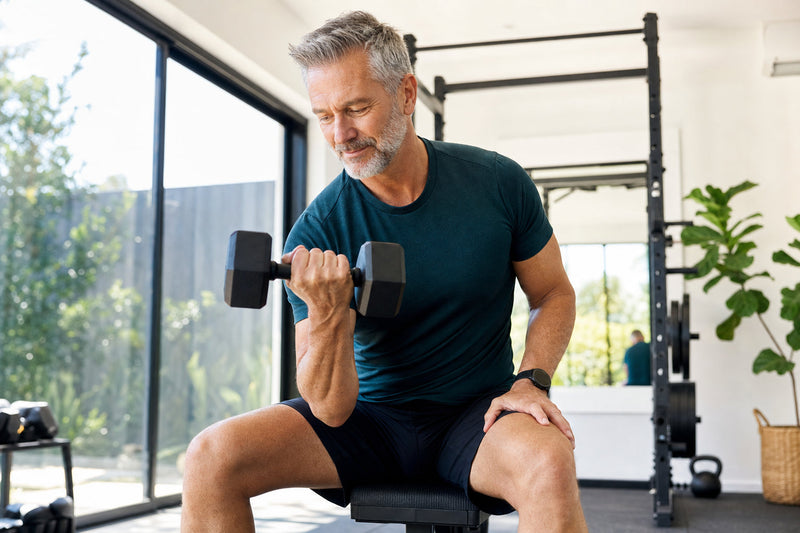
Walking, stair climbing, and progressive strength training signal bone to stay denser. Very low-impact-only routines may be kinder on joints but less stimulating for bone — balance both under professional guidance if you have osteoporosis.
Get assessed
Ask your GP whether a bone density scan is appropriate and whether calcium or vitamin D supplementation is warranted for you. More is not always better — dosing should be individual.
This article is general information only and is not medical advice. Speak with your doctor or an accredited health professional before changing your exercise, diet, or supplement routine — especially if you have a diagnosed condition or take prescription medication.