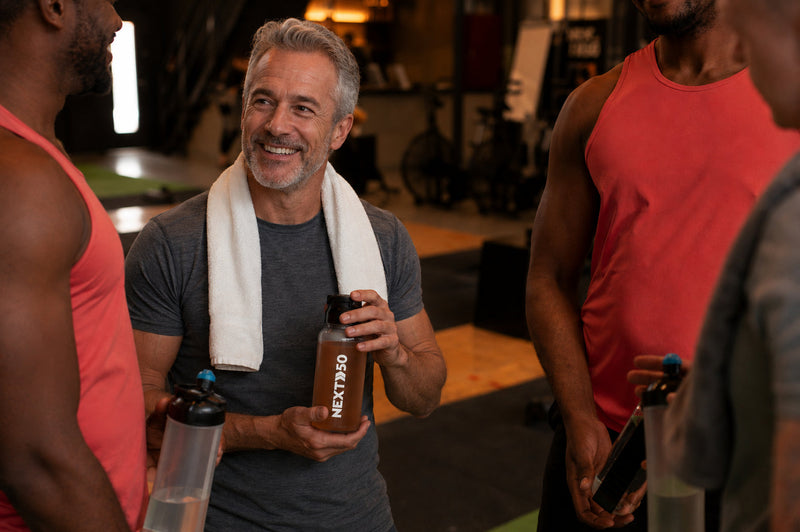
Energy & Vitality
Getting active again when you have been sedentary
Returning to movement after a long break is less about motivation speeches and more about a gentle, repeatable ramp.
Read More
Walking and swimming are excellent. They are not a complete plan on their own. After 50, preserving muscle and bone becomes a practical independence project — carrying groceries, getting out of a chair, recovering from a stumble.
Muscle fibres shrink and become less efficient if they are never asked to work. Bone responds to load. Without resistance training, both systems quietly lose capacity. Strength work is one of the few habits that can slow — and in many cases reverse — parts of that decline.
Two to three short sessions per week beat an ambitious plan you abandon. Focus on major patterns: squat or sit-to-stand, hinge, push, pull, and a carry. Machines, free weights, bands, or bodyweight can all work — technique and consistency matter more than equipment.
If you are new to the gym or managing joint issues, get a session or two with a qualified trainer or exercise physiologist. Good form is how strength stays a long-term habit rather than a short-term setback.
This article is general information only and is not medical advice. Speak with your doctor or an accredited health professional before changing your exercise, diet, or supplement routine — especially if you have a diagnosed condition or take prescription medication.

Returning to movement after a long break is less about motivation speeches and more about a gentle, repeatable ramp.
Read MoreBone is living tissue. After 50, calcium, vitamin D, and loading work together to protect strength.
Read MoreBuilt for The Next Chapter!
After your peak – things change. Energy drops. Recovery slows. Your body needs more support. NEXT50 is designed to meet that moment.
One Scoop. Done.